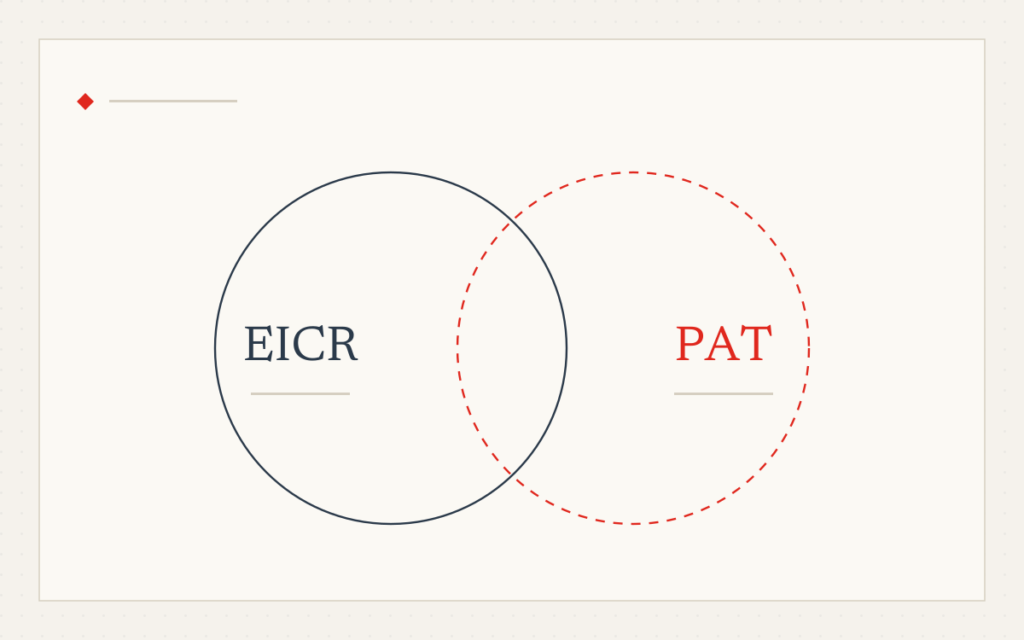
Ask three letting agents what a landlord needs and at least one will say “an EICR and a PAT test” as though it were a single item. They are separate things, and only one of them is what the five-yearly regulations are about.
The short version
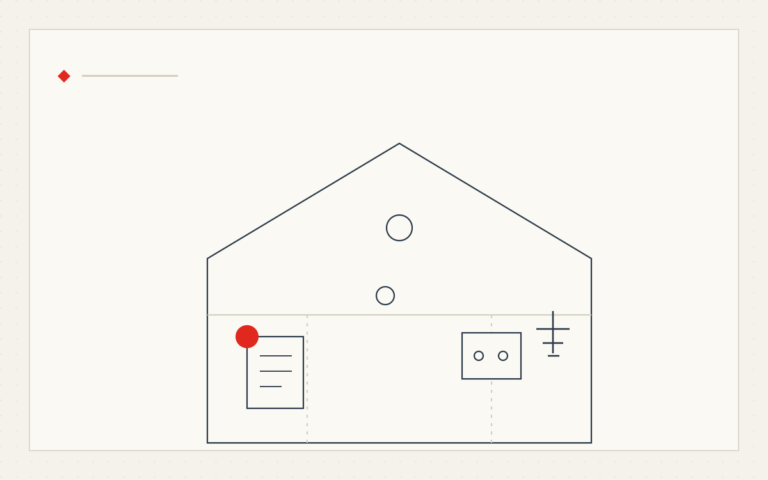
- An EICR covers the fixed installation — the wiring, the consumer unit, the sockets and switches that are part of the building. In England this is the inspection the Electrical Safety Standards in the Private Rented Sector (England) Regulations 2020 require at least every five years.
- PAT testing covers portable appliances — anything with a plug on the end of it. There is no separate regulation setting a testing frequency for these in a private rented home in England.
So are appliances your problem at all?
They can be. If you supply appliances with the property — a fridge in a furnished flat, a washing machine, a lamp left in the hallway — you have a general duty to make sure they are safe. Testing them is one reasonable way of showing you took that duty seriously; visual checks and records of purchase and replacement are another.
What you are not obliged to do is test the tenant’s own kettle, and no EICR will cover it.
Why the confusion persists
Partly because both jobs are done by electricians, often on the same visit, and are quoted on the same piece of paper. Partly because “electrical safety check” gets used loosely for both. And partly because an inspection of the fixed installation genuinely can be affected by appliances — an appliance fault is a common reason for a circuit that will not hold under test.
If a quote bundles the two, ask for them separately. You should be able to see what the EICR itself costs.
What to ask for
Say “an EICR on the fixed installation” and you will get the right thing. If you also supply appliances, mention how many and where they are, and ask what the contractor recommends. Two clear answers are more useful than one bundled price.