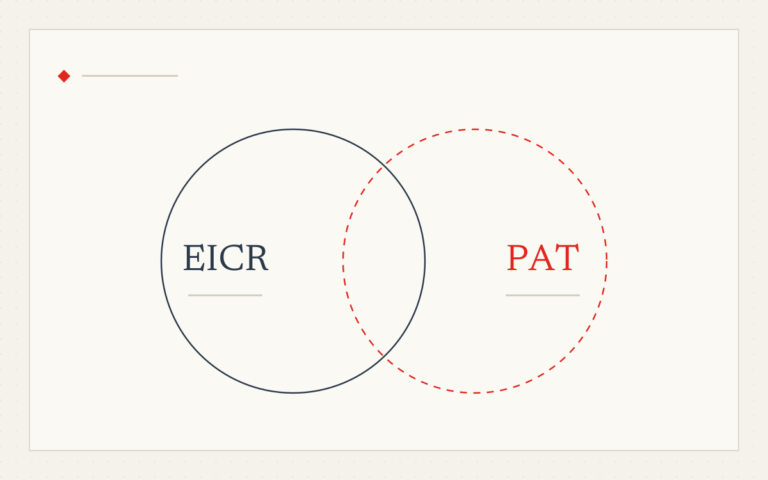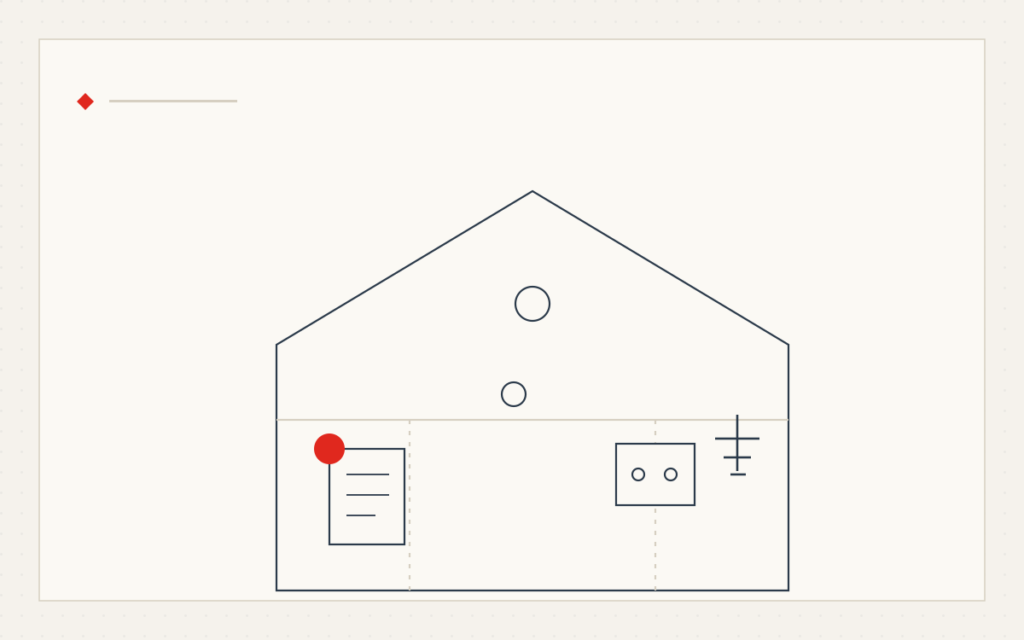
An EICR is an assessment of the fixed electrical installation: the wiring and equipment that is part of the building rather than plugged into it. That distinction explains most of what an inspector will and will not look at.
The consumer unit
The heart of the installation. The inspector assesses the enclosure and main switch, the type and adequacy of the protective devices, and whether residual current protection is present where it should be — the modern safeguards that cut power the instant a fault appears. Older boards are not automatically unsafe, but they are where a great many findings originate.
The fixed wiring
The cabling threaded through walls, floors and ceilings. It is examined for its type and condition, sound insulation, and whether past alterations were carried out safely. Insulation resistance testing is part of this: it is how a cable that looks perfectly fine from the outside reveals that it is not.
Sockets, switches and fixed accessories
The parts in daily use. Each is checked for correct polarity, secure fixing, effective earthing and safe operation. Individually these are small things; collectively they are the points at which people actually touch the installation.
Earthing and bonding
The quiet safety net. Protective conductors and main bonding are verified to confirm that, should a fault occur, it is cleared safely and exposed metalwork cannot become live. Inadequate earthing or bonding is among the most common and the most serious findings in the rented sector.
What is not included
- Portable appliances — kettles, lamps, washing machines. Those are a separate exercise.
- Gas, heating and plumbing installations.
- Cosmetic making-good, unless it has been separately agreed.
- The remedial work itself. The report identifies; a separate job puts right.
An inspection also involves a degree of dismantling — covers come off, accessories come away from the wall — so an inspector needs access to the consumer unit and a reasonable route around the property. Access is the single most common reason a visit takes longer than it needs to.