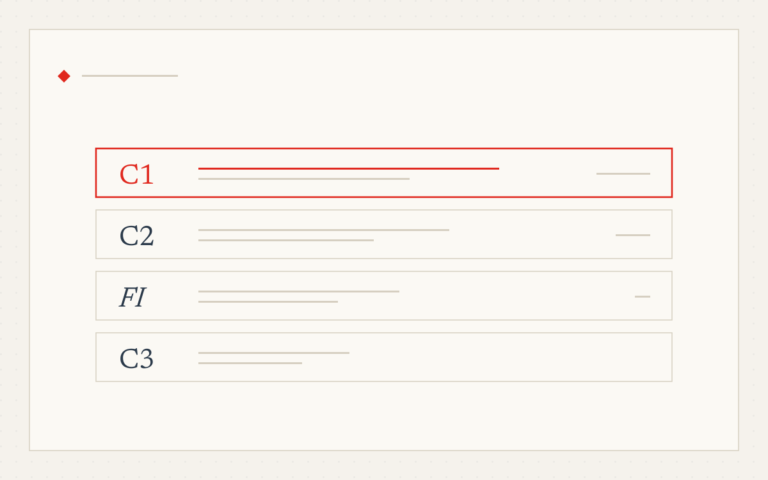
An unsatisfactory EICR means the report recorded at least one C1, C2 or FI. It does not mean the property is uninhabitable, and it does not mean you have done something wrong. It means a clock has started.
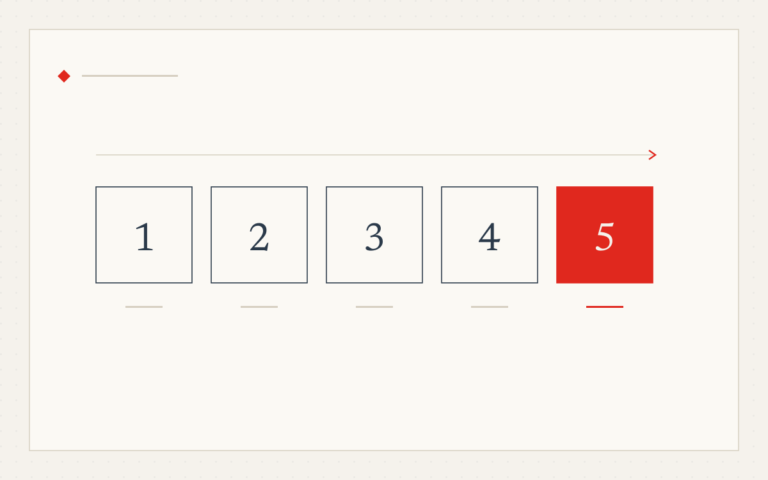
1. Read the codes before you read the price
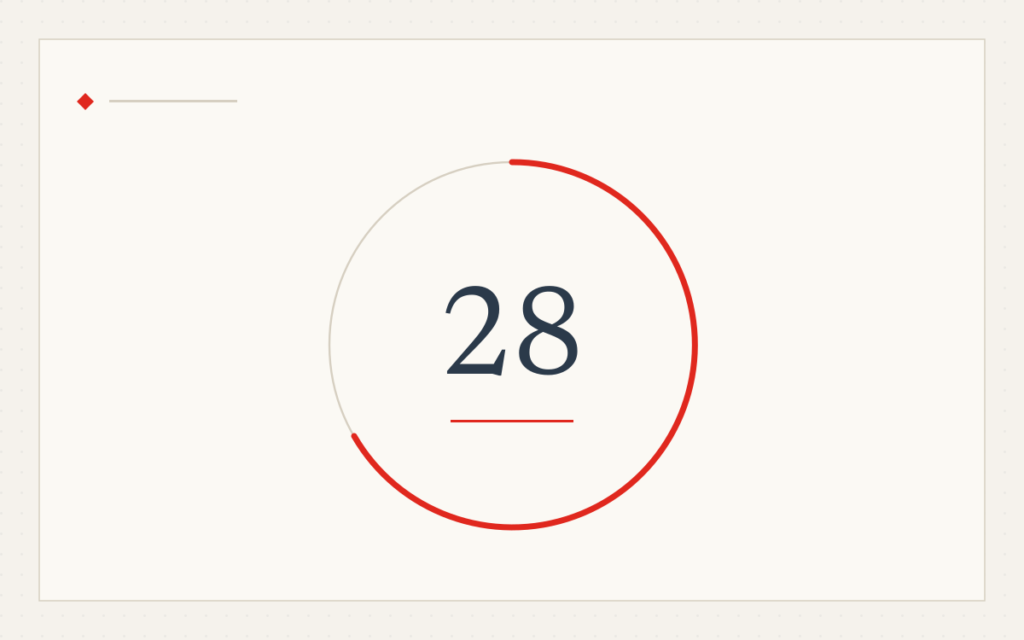
Find out which observations made the report unsatisfactory. A C1 needs attention immediately — an inspector will usually have made it safe before leaving. A C2 or an FI needs work within 28 days of the report, or sooner if the report specifies a shorter period. Anything coded C3 is advisory and does not carry a deadline at all, so do not let C3s inflate the quote you accept.
2. Get the remedial work quoted separately
You are not obliged to use the contractor who carried out the inspection. Take the list of coded observations, get it priced, and satisfy yourself the price relates to the items that actually made the report fail.
3. Have the work done, and get it in writing
Once the remedial or further investigative work is complete, you need written confirmation that it has been done. That confirmation is the document that closes the loop — the report on its own no longer tells the whole story.
4. Tell the people who have to be told
- Your tenants — written confirmation of the completed work, within 28 days of completion.
- The local authority — the same confirmation, alongside a copy of the report, if they have requested it.
Local authorities have real enforcement powers here, including financial penalties of up to £30,000 for a breach. In practice, the landlords who run into difficulty are almost never the ones whose report failed; they are the ones who did the work and never confirmed it in writing.
5. Note the next date
Remedial work does not restart the five-year cycle by itself, but a substantial change to the installation may mean the next inspection falls earlier. If in doubt, ask the contractor to state the recommended next inspection date on the paperwork, and diarise it that day.